Qadnito Logo

Qadnito

Build practical culinary skills through structured learning

This platform connects students from across the state with lectures that break down advanced techniques into understandable sequences. Each course follows a clear path from foundational methods to complex applications, with multimedia support at every stage.

Explore Learning Program
Professional culinary workspace with advanced cooking equipment

Learning without geographical constraints

Distance shouldn't determine access to quality culinary education. Our platform removes the barriers that typically limit learning opportunities, delivering consistent instruction to students regardless of their physical location.

Device-agnostic access

Lectures work across tablets, laptops, and desktops with responsive layouts that maintain clarity at any screen size.

Flexible scheduling

Progress through content at your own pace, with the ability to revisit complex sections and review techniques multiple times.

Inclusive design standards

Interface meets WCAG AAA compliance for text contrast and includes screen reader support for visually impaired learners.
Student accessing online culinary lectures on laptop in home kitchen environment

Investment in employee culinary knowledge

Organizations benefit when their kitchen teams develop consistent technical skills. Our corporate programs deliver standardized training across multiple locations with measurable learning outcomes.

Team training coordination

Enroll multiple employees simultaneously with centralized progress tracking and completion reporting for management oversight.

Skill verification

Each completed module includes assessment components that verify technique comprehension and practical application capability.

Performance analytics

Dashboard access shows completion rates, assessment scores, and time spent on each module for workforce development planning.

Content updates

Enrolled organizations receive automatic access to revised lectures and new technique modules as they're added to the curriculum.

Customization options

Select specific modules relevant to your operation's needs rather than requiring staff to complete entire curriculum tracks.

Dedicated support

Corporate accounts include direct contact with instructional coordinators for questions about content application or learning paths.

What you'll actually learn

Each program delivers specific technical skills with practical applications. These aren't abstract concepts—they're concrete techniques you'll use in professional kitchen environments.

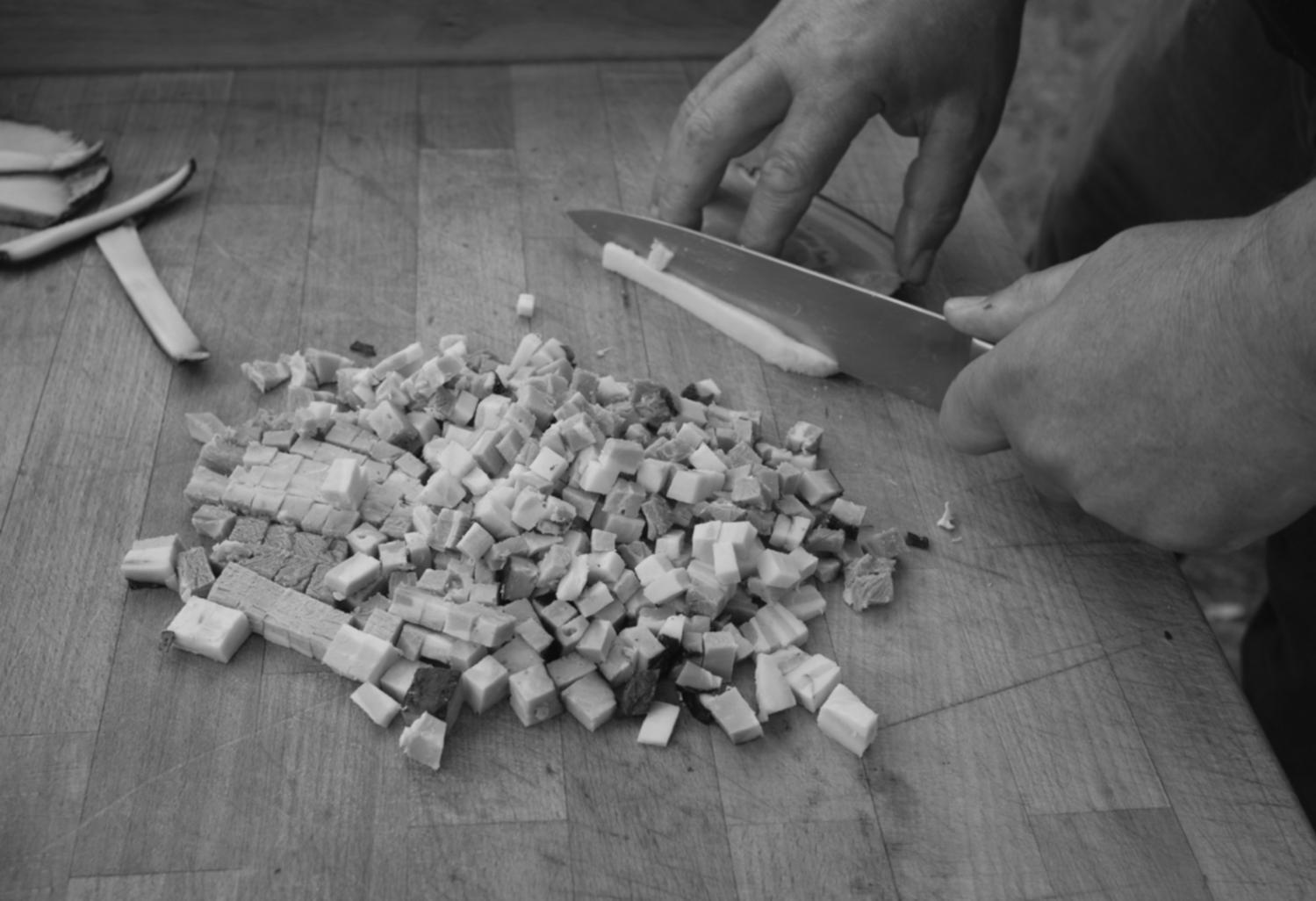
Chef demonstrating advanced knife technique during online culinary lecture

Temperature control precision

Master sous vide parameters, searing temperatures, and doneness indicators for proteins. Understand heat transfer principles and how they affect texture and moisture retention in different cooking methods.

Emulsion mechanics

Learn the chemistry behind stable sauces and dressings, including proper fat-to-liquid ratios, emulsifier selection, and rescue techniques for broken emulsions. Apply these principles to hollandaise, vinaigrettes, and contemporary foam preparations.

Knife skill refinement

Develop consistent knife cuts through proper grip, blade angle, and motion patterns. Practice julienne, brunoise, and chiffonade techniques with efficiency metrics that match professional kitchen standards.

Plating composition

Apply visual balance principles to plate design using height variation, negative space, and color contrast. Study component placement strategies that guide the diner's eye while maintaining practical service considerations.

Knowledge from tested experience

The techniques in these courses come from years of professional kitchen work, not theoretical textbooks. Every method has been refined through actual service conditions and teaching iterations.

Restaurant background

Lead instructor Natalya Björnsson spent 14 years working in Michelin-starred establishments across Europe before transitioning to culinary education in 2017. Her teaching approach reflects real brigade systems and service pressures rather than idealized demonstrations.

Curriculum development methodology

Course content was structured through analysis of 280+ professional kitchen operations to identify the most frequently used advanced techniques. Each module underwent three revision cycles with feedback from working chefs and culinary educators.

Continuous refinement process

Lecture materials are updated quarterly based on student completion data and comprehension assessments. Sections with lower retention rates get restructured explanations or additional visual demonstrations until comprehension metrics improve.

Lead culinary instructor Natalya Björnsson in professional kitchen setting

Natalya Björnsson

Lead Instructor & Curriculum Director